
Why Silver Remains One of the Most Accessible Precious Metals for New Investors
Kelvin Bratton2026-09-20
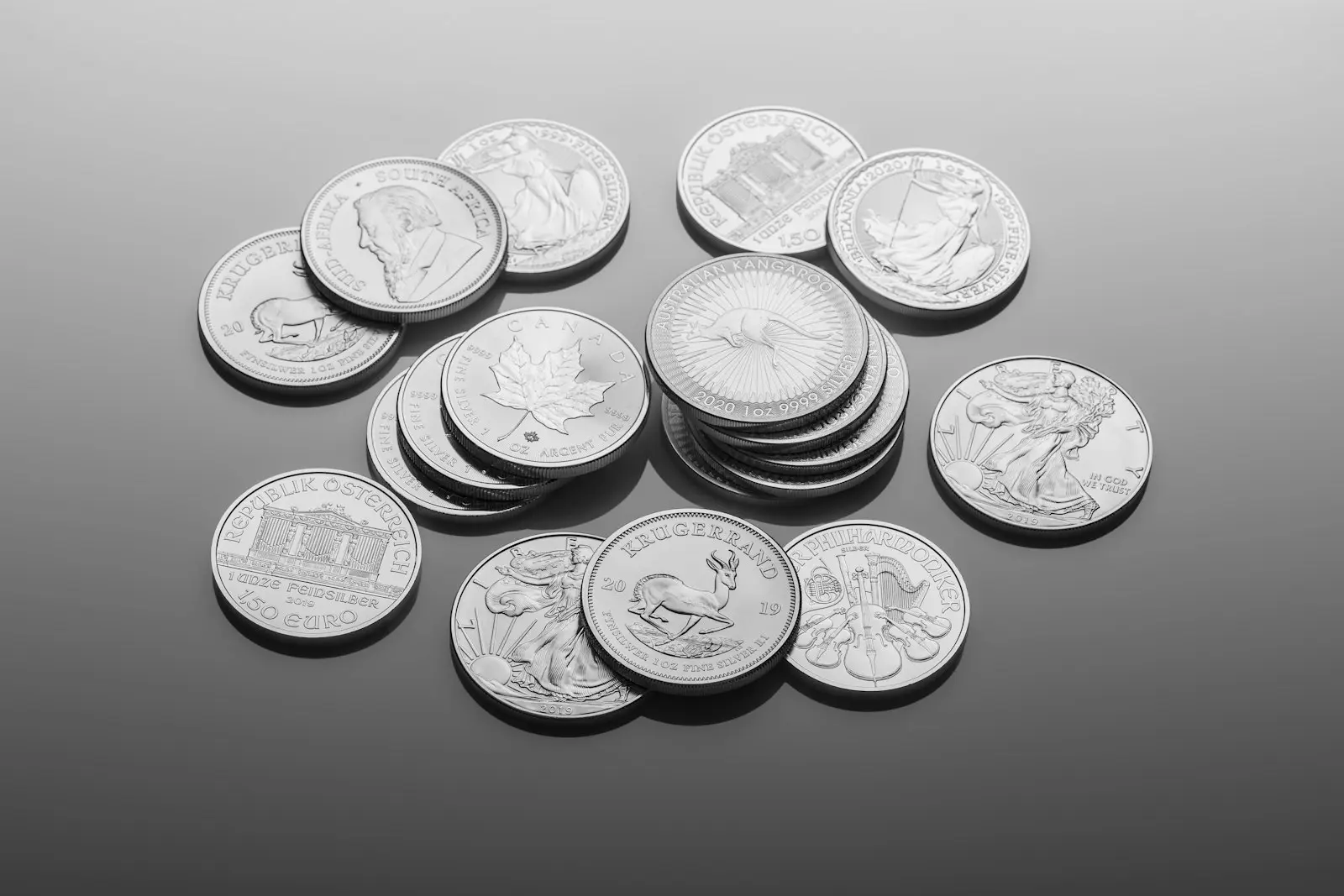
Silver doesn't demand the hefty upfront cost of gold, but it still carries the weight of thousands of years as a store of value. For investors just beginning to explore physical precious metals, silver offers an entry point that's both affordable and historically proven. According to the Silver Institute, global silver demand reached 1.24 billion ounces in 2023, driven by industrial applications, jewelry, and investment demand combined.
Unlike stocks or bonds, silver sits in your hand. There's no counterparty risk, no quarterly earnings report that can tank overnight, and no password to forget. It's a tangible asset that has outlasted empires, currencies, and central banks. But affordability doesn't mean simplicity. The silver market has its own vocabulary, pricing quirks, and product choices that confuse first-time buyers.
This guide walks through what makes silver different from other precious metals, how pricing actually works, which products make sense for different goals, and how to avoid paying more than you should. You'll also see why Liberty Gold Silver structures its silver offerings around transparency, IRS-compliant products, and pricing that's tied directly to spot with every fee disclosed upfront.
Silver vs. Gold: Why Affordability Matters for Portfolio Building
Gold grabs headlines. Silver builds positions.
At current market levels, one ounce of gold costs roughly 80 to 90 times more than one ounce of silver. That ratio fluctuates, but the affordability gap is real and consistent. For someone allocating $5,000 to precious metals, that buys about two ounces of gold or around 250 ounces of silver, depending on premiums. The difference matters when you're trying to accumulate a meaningful physical holding without tying up massive capital.
Silver also carries dual demand drivers that gold doesn't. According to the Silver Institute's World Silver Survey, industrial applications account for more than half of annual silver demand. Solar panels, electronics, medical devices, and EV components all require silver for conductivity and antimicrobial properties. Meanwhile, investment demand and jewelry add another layer of support. Gold, by contrast, sees far less industrial consumption relative to investment and central bank buying.
This industrial demand creates price volatility. Silver tends to move more dramatically than gold during both rallies and selloffs. That's a feature, not a bug, for investors who understand the trade-off between stability and opportunity. You're not getting the same steadiness as gold, but you're also not paying gold's price per ounce.
How Spot Price Works and Why Premiums Exist
Spot price is the live benchmark for raw silver traded in bulk on global exchanges like the COMEX. It's what institutional buyers pay for 1,000-ounce bars in London vaults. It's not what retail buyers pay.
Premiums fluctuate based on supply chain conditions, mint production capacity, and investor demand. During periods of high demand like March 2020 or early 2021, premiums spiked as mints couldn't keep up with orders. When demand cools, premiums compress. You can't avoid premiums entirely, but you can minimize them by choosing products with lower minting costs and avoiding collectible or proof coins unless you're intentionally paying for numismatic value.
Silver Products: Coins, Bars, and Rounds Explained
Not all silver is the same shape, and the shape affects the price you pay per ounce.
Government-minted coins like the American Silver Eagle and Canadian Silver Maple Leaf carry higher premiums because they're legal tender, produced by national mints, and recognized worldwide. The American Silver Eagle, first released by the U.S. Mint in 1986, contains one troy ounce of .999 fine silver and is the only silver bullion coin with a weight and purity guarantee backed by the U.S. government. According to the U.S. Mint, Silver Eagle sales exceeded 30 million ounces in 2023. These coins are also IRA-eligible, which matters if you're buying for a Self-Directed Precious Metals IRA.
The Canadian Silver Maple Leaf, produced by the Royal Canadian Mint, contains one troy ounce of .9999 fine silver, slightly purer than the Eagle. It's also legal tender and IRA-approved. Maple Leafs often carry slightly lower premiums than Eagles, making them a strong alternative for buyers focused purely on silver content.
Bars in larger sizes like 100-ounce bars offer even tighter premiums but come with trade-offs. They're harder to sell in small increments, and liquidity can be lower compared to one-ounce coins. For most retail investors, the sweet spot sits between one-ounce coins for liquidity and ten-ounce bars for cost efficiency.
IRS Standards and IRA Eligibility
If you're buying silver for a Self-Directed IRA, purity matters legally, not just practically.
The IRS requires silver held in a precious metals IRA to meet a minimum fineness of .999. That standard excludes collectible coins, jewelry, and lower-purity bars. According to IRS Publication 590, eligible silver must be produced by a national government mint or an accredited refiner and must meet specific fineness requirements.
American Silver Eagles, Canadian Maple Leafs, and Australian Kangaroos all meet this threshold. Generic bars and rounds also qualify as long as they meet the .999 standard and are produced by an approved refiner. Liberty Gold Silver's IRA-eligible silver products are clearly marked, and every product page lists the exact fineness so there's no guesswork about compliance.
If you're holding silver outside an IRA, you don't face the same purity restrictions, but buying IRA-eligible products anyway gives you flexibility. You can always move compliant silver into a Self-Directed IRA later without needing to sell and repurchase.
Storage Considerations: Home vs. Vault
Silver takes up space. A lot of it.
Gold's density makes it easy to store large values in small volumes. Silver's lower value per ounce means you need a lot more physical material to reach the same dollar amount. A $10,000 gold position might fit in a small safe. A $10,000 silver position requires a filing cabinet's worth of space.
That creates a real logistical question. Home storage gives you direct access but comes with security and insurance concerns. Many homeowners' insurance policies cap precious metals coverage at $1,000 to $2,500 unless you add a rider. If you're holding more than a few hundred ounces, that coverage gap matters.
Third-party vault storage solves the space and security problem but introduces costs and counterparty risk. You're trusting someone else to hold your metal, and you're paying annual storage fees typically ranging from 0.5% to 1% of your holdings' value. Some investors split the difference by keeping a portion at home for immediate access and vaulting the rest for long-term holdings.
Liberty Gold Silver doesn't operate its own vault but works with clients who choose allocated storage through established third-party facilities. The key is allocated, not pooled, storage. With allocated storage, specific bars or coins are assigned to you and segregated. Pooled storage means you own a share of a larger pile, which introduces more counterparty risk if the facility has issues.
Why Silver Premiums Matter More Than You Think
Buying silver at a fair premium is only half the equation. You also need to sell it eventually, and that's where premium dynamics flip.
This means the premium you pay upfront isn't fully recoverable on the back end. If you pay $5 over spot for a Silver Eagle and sell it a year later at spot, you've effectively lost $5 per ounce even if the spot price didn't move. That's why minimizing premiums matters, especially if you're buying silver as an inflation hedge rather than a long-term hold.
Industrial Demand and Silver's Unique Market Position
Gold is money. Silver is money and material.
That distinction drives silver's price behavior in ways gold investors don't always appreciate. According to the Silver Institute, industrial demand consumed approximately 564 million ounces of silver in 2023, representing nearly half of total global demand. Photovoltaics (solar panels) alone accounted for 20% of that industrial use, and that percentage continues to grow as renewable energy adoption accelerates.
Electronics manufacturing, automotive components, medical devices, and water purification systems all depend on silver's unmatched conductivity and antimicrobial properties. Unlike gold, which can be substituted in most industrial applications, silver often can't. There's no viable replacement for silver in many high-efficiency solar cells or in the conductive pastes used in touchscreens and circuit boards.
This industrial dependence creates unique price dynamics. When the global economy slows, industrial demand drops, and silver prices can fall harder than gold. But when manufacturing accelerates or new technologies scale up, silver benefits from demand growth that gold never sees. The rise of electric vehicles, for example, increases silver consumption per vehicle compared to traditional combustion engines due to the higher electronics content in EVs.
Investors often miss this angle. They buy silver thinking it's just "cheaper gold," but it actually occupies a hybrid space between precious metal and industrial commodity. That makes it more volatile but also gives it upside tied to economic expansion and technological adoption, not just monetary debasement fears.
Why Transparency Matters in Precious Metals Dealers
Silver as Part of a Broader Precious Metals Strategy
Silver doesn't have to be your only metal. For many investors, it works best as part of a balanced precious metals allocation.
A common approach is an 80/20 or 70/30 gold-to-silver ratio by dollar value. Gold provides stability and concentrated value. Silver provides affordability and growth potential tied to industrial demand. According to portfolio research from gold analyst Jim Rickards, a 5% to 10% allocation to physical gold and silver combined can reduce overall portfolio volatility while providing a hedge against currency debasement.
The exact ratio depends on your goals. If you're building a long-term inflation hedge and don't need liquidity, skewing toward silver can make sense because you're accumulating more ounces for the same capital. If you need portability and concentrated value, gold makes more sense. Most investors end up somewhere in between.
Liberty Gold Silver offers both metals, along with platinum and palladium, so you're not forced to choose a single asset class or work with multiple dealers. You can build a diversified physical metals position through one source, with consistent pricing transparency across all products.
Common Mistakes First-Time Silver Buyers Make
First mistake: buying collectible or numismatic coins thinking they're getting investment-grade bullion. Proof coins, limited editions, and commemorative issues carry premiums that reflect rarity and design, not metal content. Unless you're a coin collector, stick to bullion products where you're paying for silver, not story.
Third mistake: paying with credit cards without considering fees. Credit card processing fees in the precious metals industry often run 3% to 4%, which is substantial on a multi-thousand-dollar purchase. Bank wires or checks avoid this cost. If you're paying a $120 credit card fee on a $3,000 order, you've just added 4% to your premium.
Fourth mistake: not verifying purity and weight. Generic bars and rounds should be stamped with fineness and weight. Reputable dealers only sell products from established mints and refiners, but if you're buying on the secondary market, verify the markings and consider testing with a precious metals verifier.
Fifth mistake: overconcentrating in a single product. Diversifying across coin types and bar sizes gives you flexibility when it's time to sell. If you need to liquidate $2,000 worth of silver, selling two ten-ounce bars is easier than trying to offload a single 100-ounce bar.
What Happens During a Silver Supply Crunch
Silver markets can tighten fast. When investor demand spikes, mints can't always keep up with orders, and premiums surge beyond normal ranges.
The same pattern repeated in early 2021 during the Reddit-driven silver squeeze attempt. Physical silver premiums spiked even as futures prices remained relatively stable. Retail buyers faced long delays, out-of-stock notices, and premiums that doubled the effective cost per ounce.
These supply crunches highlight a structural issue in the retail silver market. There's plenty of silver in institutional warehouses, but getting it minted into retail-sized products and distributed through dealer networks takes time. When demand spikes, the pipeline backs up. Buyers who maintain consistent positions through regular purchases avoid the worst of these premiums. Dollar-cost averaging into silver during normal market conditions means you're not forced to buy at panic premiums.
Liberty Gold Silver maintains relationships with multiple suppliers to ensure product availability even during high-demand periods. While no dealer can completely eliminate supply chain delays during extreme demand spikes, working with a dealer who has diversified sourcing reduces the risk of extended backorders.
Final Takeaways and Next Steps
Silver offers a proven store of value at a price point accessible to investors who can't or won't commit five-figure sums to gold. It carries industrial demand drivers that gold lacks, volatility that creates both risk and opportunity, and a market structure that rewards buyers who understand premiums, purity standards, and product selection.
Physical silver isn't a get-rich-quick play. It's a foundational asset that's outlasted every paper currency in history. The question isn't whether silver has value. The question is whether you're buying it at a fair price from a dealer who's transparent about costs. That's what Liberty Gold Silver delivers.
- The Silver Institute. (2023). World Silver Survey 2023. https://www.silverinstitute.org
- U.S. Mint. (2023). American Silver Eagle Sales Data. https://www.usmint.gov
- IRS Publication 590. Individual Retirement Arrangements (IRAs). https://www.irs.gov
- Better Business Bureau. Consumer Complaints: Precious Metals Dealers. https://www.bbb.org
- Rickards, J. Portfolio Allocation Research: Precious Metals. Currency Wars series.
This article is educational. It is not a recommendation to buy or sell anything, and it does not consider your circumstances. Prices can move in either direction.