
What Is Spot Price and Why It Matters When You Buy or Sell Precious Metals
Kelvin Bratton2026-09-20
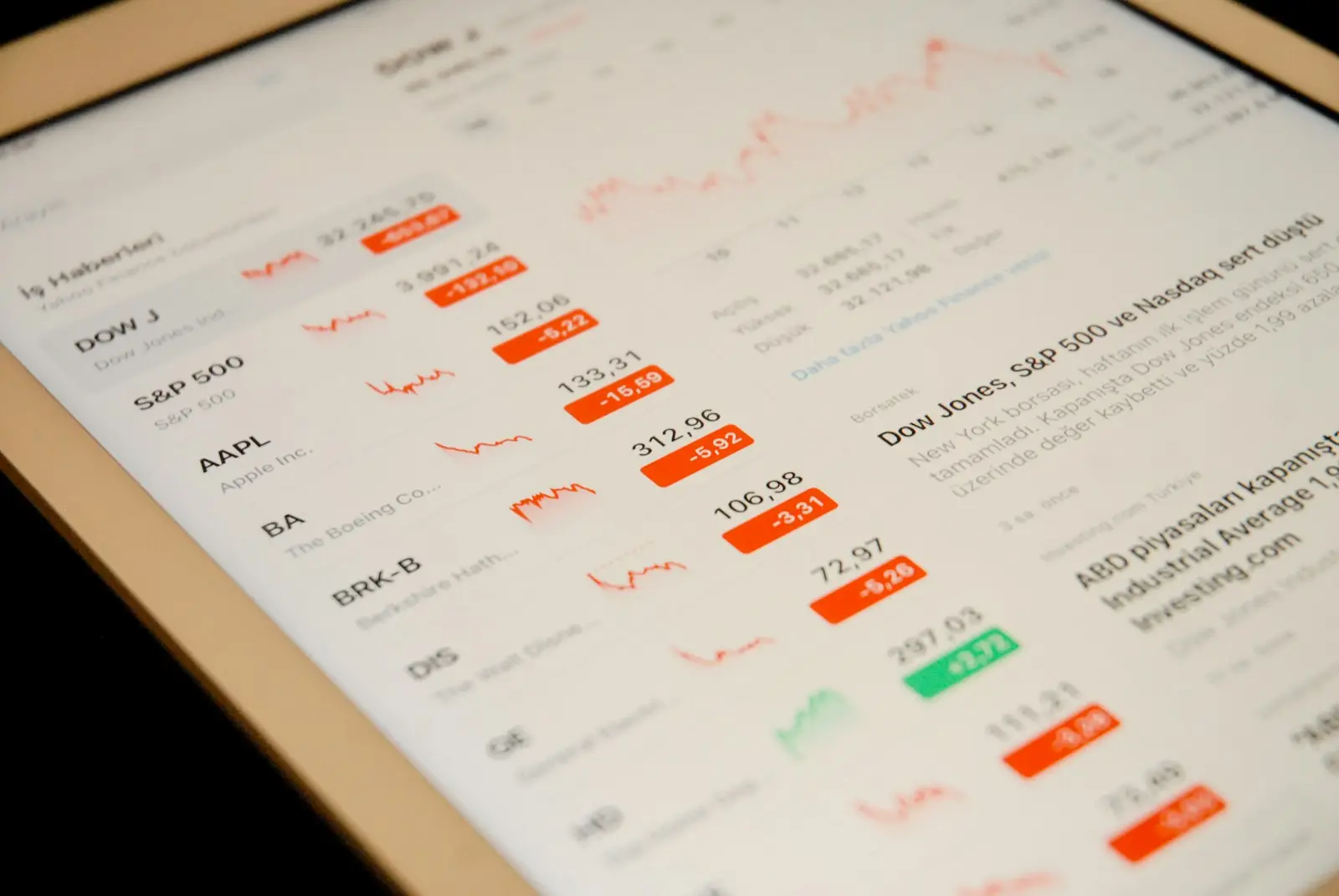
If you've looked at gold or silver prices recently, you've probably noticed two numbers: the spot price and the retail price. The gap between them can feel confusing, especially if you're new to buying physical metals. You're not buying futures contracts or paper gold. You want real bars or coins in hand. So why is the price higher than what the charts show?
The spot price is the benchmark used across the precious metals market, but it's not the final number you'll pay. Understanding how spot works, what drives it, and how premiums fit in can save you from overpaying and help you make better decisions whether you're buying your first ounce or building a larger position.
Here's what actually moves spot prices, how dealers use them, and what you need to know before your next purchase.
What the Spot Price Actually Represents
The spot price is the current market price for one troy ounce of a raw, unrefined precious metal. It reflects what a buyer would pay for immediate delivery of that metal in bulk, typically in large quantities like 1,000-ounce silver bars or 400-ounce gold bars. According to the London Bullion Market Association, these benchmarks are set through electronic auctions that occur twice daily for gold and silver.
Spot prices are listed for the four main precious metals: gold, silver, platinum, and palladium. Each moves independently based on supply, demand, and market conditions specific to that metal. Gold's spot might climb while silver's falls. Platinum can lag behind gold for months, then outpace it.
The price updates constantly during market hours. It's a live benchmark that reflects trading activity across global exchanges, with the most active markets being London, New York (COMEX), and Shanghai. When you see "$2,650 per ounce" for gold, that's the spot reference at that exact moment.
What spot doesn't include is the cost of turning raw metal into retail-ready products. It doesn't cover minting, refining, shipping, or dealer margins. That's where premiums come in.
How Spot Prices Are Set and Who Controls Them
No single person or company sets the spot price. It emerges from trading activity across multiple global markets. The largest influence comes from futures contracts traded on the COMEX exchange in New York, where buyers and sellers trade contracts representing thousands of ounces. These trades don't always involve physical delivery, but they establish the reference price the entire market uses.
The London Bullion Market Association publishes the LBMA Gold Price and LBMA Silver Price twice each business day through electronic auctions. These auctions involve accredited market participants and are widely recognized as the authoritative benchmarks for wholesale precious metals pricing. According to the LBMA, these prices are used for settlement of contracts, valuation of holdings, and pricing of physical metal in the wholesale market.
Other factors that move spot prices include:
- Central bank activity: When central banks buy or sell gold reserves, it shifts supply and demand
- Currency strength: A weaker U.S. dollar typically pushes gold and silver prices higher, since they're priced in dollars
- Economic uncertainty: Recessions, inflation fears, and geopolitical tension often drive investors toward precious metals
- Industrial demand: Silver, platinum, and palladium are used heavily in manufacturing, so production cycles matter
- Mining output: New supply from mines or disruptions in production affect availability
According to the World Gold Council, central banks added 1,037 tonnes of gold to their reserves in 2023, the second-highest year on record. That kind of buying pressure supports higher spot prices.
The key point: spot reflects what large institutions pay for bulk metal. It's not what retail buyers pay, and it's not what you'll get when you sell back to a dealer.
Why You Pay More Than Spot When You Buy
Retail buyers don't pay spot. They pay spot plus a premium. That premium covers the costs of refining raw metal, minting it into bars or coins, shipping it, and the dealer's margin.
Premiums vary widely based on several factors:
Product type: A one-ounce American Gold Eagle typically carries a higher premium than a generic gold round. Government-backed coins cost more to produce and are more recognizable, which adds to their premium. According to industry data, premiums on American Silver Eagles can range from 15% to 40% over spot during periods of high demand.
Market conditions: When demand spikes, premiums rise. During the COVID-19 pandemic, silver premiums more than doubled in some cases as mints struggled to keep up with orders and supply chains were disrupted.
Quantity purchased: Larger orders often come with lower per-ounce premiums. Buying 100 ounces at once typically costs less per ounce than buying ten separate 10-ounce orders.
Metal type: Silver premiums tend to be higher as a percentage of spot than gold premiums. A $5 premium on a $30 silver coin is 16.7% over spot. A $50 premium on a $2,650 gold coin is less than 2%.
The Bid-Ask Spread: What You Get When You Sell
When you sell precious metals back, you won't receive the spot price. You'll receive a bid price, which is typically below spot. The gap between what you pay (ask price) and what dealers pay you (bid price) is called the bid-ask spread.
Here's why this matters: you need the spot price to rise enough to cover both the premium you paid and the spread you'll lose on the sale. If you paid $35 for a silver coin when spot was $30, you paid a $5 premium. If the dealer's bid is $1 below spot when you sell, you need spot to reach at least $36 before you break even.
According to financial industry standards, typical bid-ask spreads for physical precious metals range from 2% to 5%, though they can widen during volatile market conditions or for less liquid products.
How to Use Spot Price as Your Reference Point
Spot price is your baseline for evaluating any purchase. Before you buy, check the current spot price for the metal you want. Then compare the dealer's price to spot and calculate the percentage premium.
Here's a simple formula:
Premium percentage = ((Retail Price - Spot Price) / Spot Price) × 100
If gold spot is $2,650 and a dealer sells a one-ounce coin for $2,750, the premium is:
((2,750 - 2,650) / 2,650) × 100 = 3.77%
A 3.77% premium is reasonable for a recognized coin. A 10% premium on the same coin is high unless there's a clear reason, like rarity or collectible value.
Use spot to compare dealers. If one dealer sells American Silver Eagles at $8 over spot and another at $12 over spot, the first is a better deal assuming both are legitimate products. Don't focus solely on the total dollar amount. Focus on the premium over spot.
Spot also helps you time your purchases. Precious metals prices fluctuate daily. If spot drops 3% in a week, that's a better entry point than buying when spot is near recent highs. You can't time the market perfectly, but tracking spot gives you context.
What Moves Spot Prices: The Key Drivers
Spot prices don't move randomly. They respond to specific economic and market forces:
Inflation expectations: When inflation rises, precious metals often follow. Gold and silver are seen as hedges against currency devaluation. According to data from the Federal Reserve, inflation in the U.S. reached 9.1% in June 2022, and gold prices climbed more than 8% over the following quarter.
Interest rates: Higher interest rates make bonds and savings accounts more attractive, which can reduce demand for non-yielding assets like gold. When the Federal Reserve raises rates, gold often faces downward pressure.
Geopolitical instability: Wars, political crises, and economic sanctions drive investors toward safe-haven assets. Russia's invasion of Ukraine in 2022 pushed gold prices above $2,000 per ounce.
U.S. dollar strength: Since precious metals are priced in dollars, a stronger dollar makes metals more expensive for foreign buyers, reducing demand. A weaker dollar has the opposite effect.
Industrial demand: Silver, platinum, and palladium are used in electronics, automotive catalysts, and renewable energy. According to the Silver Institute, industrial demand accounts for more than 50% of annual silver consumption.
Mining supply: New mine production and recycling contribute to supply. Disruptions, strikes, or declining ore grades can tighten supply and push prices higher.
Understanding these drivers won't let you predict short-term moves, but it gives you a framework for why prices are rising or falling. That helps you avoid panic selling during dips or chasing prices during spikes.
Common Misconceptions About Spot Price
Misconception 1: You should be able to buy at spot price. Raw, unrefined metal in bulk trades near spot. Retail products don't. Premiums reflect real costs: minting, shipping, storage, and dealer margins. No legitimate dealer sells at spot.
Misconception 2: Premiums are arbitrary markups. Premiums vary, but they're not random. They reflect production costs, product type, and market demand. Higher premiums on government coins reflect higher minting costs and greater liquidity.
Misconception 3: Spot price is fixed for the day. Spot updates constantly during market hours. The price you see at 9 a.m. can be different by noon. Some dealers update pricing multiple times per day; others lock prices for a few hours.
Misconception 4: All dealers use the same spot reference. Most use COMEX or LBMA prices, but some add their own spreads or delays. Always verify the spot price independently before accepting a dealer's written price.
Misconception 5: Selling at spot means you break even. You paid a premium above spot. Selling at spot means you lose that premium. You need spot to rise above your purchase price plus the premium to break even.
What You Should Do Next
Start by tracking spot prices for the metals you're interested in. Use financial sites, the LBMA website, or dealer platforms that display live prices. Watch how spot moves over a week or two. You'll get a feel for volatility and trends.
If you're ready to buy, start with a small position. Get familiar with the process, see how premiums and spot work in practice, and understand what you're actually holding. Once you're comfortable, scale up based on your goals.
If you have metals you're considering selling, check current bid prices. Understand what you'll receive and whether now is the right time based on spot trends. Selling during a spike can mean locking in gains. Selling during a dip might mean taking a loss.
- London Bullion Market Association. (n.d.). LBMA Gold Price and LBMA Silver Price. Retrieved from https://www.lbma.org.uk
- World Gold Council. (2024). Gold Demand Trends Full Year 2023. Retrieved from https://www.gold.org
- Silver Institute. (2023). World Silver Survey 2023. Retrieved from https://www.silverinstitute.org
- Federal Reserve Economic Data. (2022). Consumer Price Index for All Urban Consumers. Retrieved from https://fred.stlouisfed.org
- Liberty Gold Silver. (n.d.). Spot Price Guide. Retrieved from https://www.libertygoldsilver.com/learn/spot-price
This article is educational. It is not a recommendation to buy or sell anything, and it does not consider your circumstances. Prices can move in either direction.