
Why Industrial Demand for Silver is Reshaping the Precious Metals Market
Kelvin Bratton2026-09-20
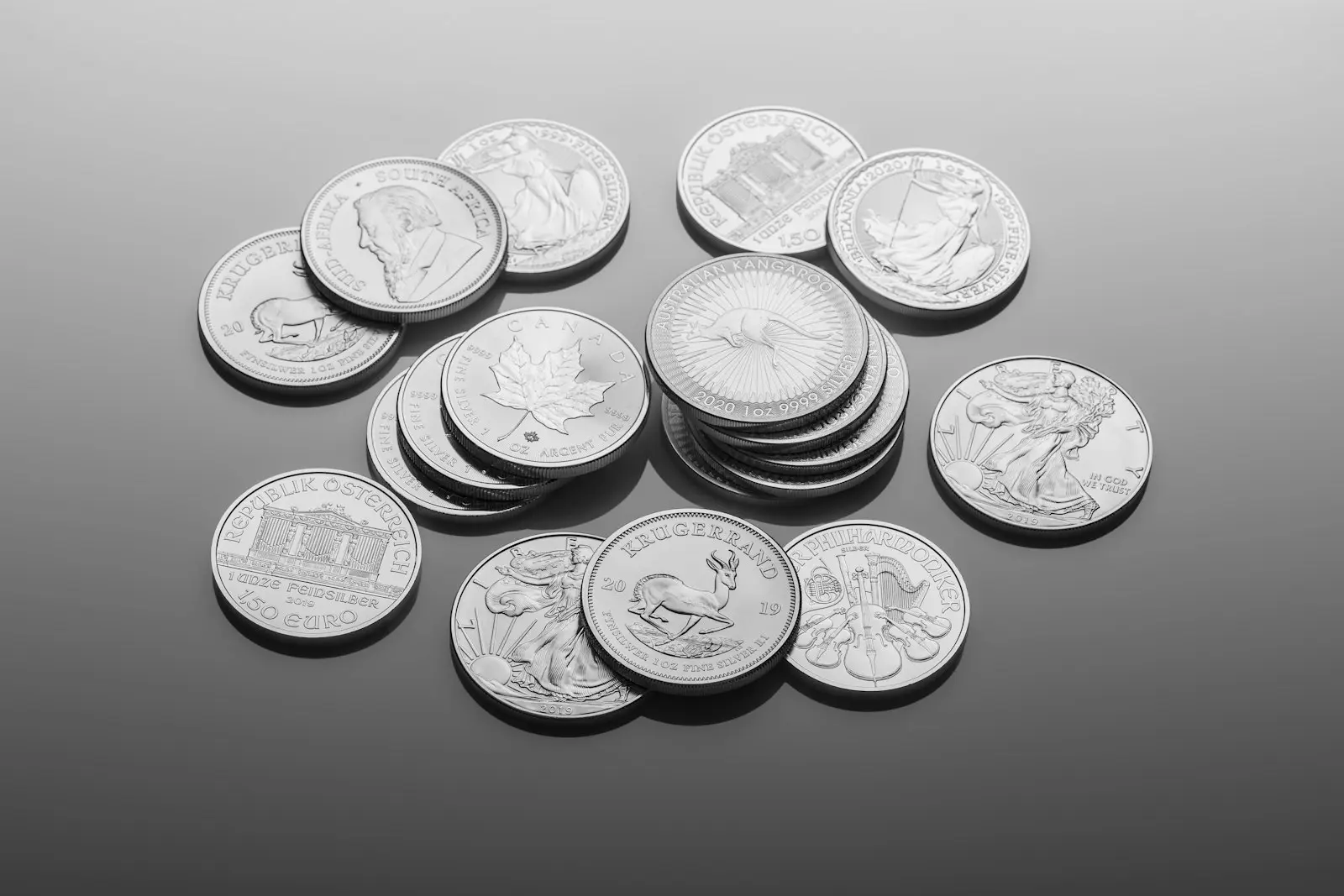
Silver isn't just sitting in vaults or jewelry stores anymore. It's racing through circuit boards, covering massive solar panels, and making electric vehicles possible. According to The Silver Institute, industrial applications now account for 55% of total silver demand, marking a fundamental shift in how we should think about this precious metal. If you're considering silver as an investment, understanding this industrial transformation isn't optional, it's essential.
The story of silver has changed. What was once primarily a store of value and medium of exchange has become a critical industrial commodity. This shift creates unique supply-demand dynamics that traditional precious metal investors need to understand. Let's explore why industrial demand is driving silver's future and what it means for your portfolio.
The Solar Panel Revolution is Consuming Silver at Record Rates
Solar energy installations consumed 193.5 million ounces of silver in 2023, according to The Silver Institute's World Silver Survey 2024. That's a staggering number that represents nearly 20% of total global silver demand. Each solar panel requires silver paste for the photovoltaic cells that convert sunlight into electricity. There's simply no better conductor that can withstand decades of exposure to heat and weather.
The solar industry's appetite for silver keeps growing. Global solar installations are projected to expand significantly through 2030 as countries pursue renewable energy targets. China alone installed over 200 gigawatts of solar capacity in 2023, with each gigawatt requiring approximately 2.5 million ounces of silver. The International Energy Agency forecasts that solar power generation will triple by 2030.
What makes this particularly interesting for silver investors is that technological improvements haven't reduced silver usage as much as industry analysts expected. While manufacturers have worked to reduce the amount of silver per panel through innovations like PERC and TOPCon cell technologies, the explosive growth in total installations means absolute silver consumption continues to climb. You can't build massive solar farms without massive amounts of silver.
Electric Vehicles are Creating Unprecedented Silver Demand
Electric vehicles use significantly more silver than traditional cars. According to The Silver Institute, a typical internal combustion engine vehicle contains approximately 15-28 grams of silver, while an electric vehicle requires 25-50 grams. Hybrid vehicles fall somewhere in between, using roughly 18-34 grams. This might not sound like much, but consider the scale.
Global EV sales reached 14 million units in 2023, according to the International Energy Agency. BloombergNEF projects that EVs will account for nearly 60% of new car sales globally by 2040. Simple math reveals the magnitude: if 50 million EVs are sold annually by 2035 (a conservative estimate based on current growth trajectories), and each uses an average of 40 grams of silver, that's 2,000 metric tons of silver demand from EVs alone.
Silver's role in EVs extends beyond the battery systems. It's used in electrical contacts, circuit boards, and charging infrastructure. Every EV charging station contains silver components that ensure reliable, efficient power transfer. As governments worldwide invest billions in charging networks, this creates another stream of industrial silver demand that didn't exist a decade ago.
The shift to electric mobility isn't just about passenger cars. Electric buses, delivery trucks, and even aircraft are entering development and production. Each expansion of the electric vehicle ecosystem multiplies the industrial applications requiring silver's unique properties.
The Supply Side Can't Keep Up with Industrial Growth
Here's where the story gets particularly compelling for investors. According to industry research, approximately 70% of silver is mined as a by-product of other metals like copper, lead, and zinc. This means silver supply doesn't respond directly to silver prices the way you might expect.
When copper prices drop, copper mines reduce production, and silver supply falls as a consequence, even if silver prices are rising. This creates structural supply constraints that purely demand-driven price increases can't easily resolve. You can't just "open more silver mines" when industrial demand surges.
Total mine production of silver was approximately 830 million ounces in 2023, according to The Silver Institute. Meanwhile, total demand reached roughly 1.2 billion ounces. The gap is filled by above-ground stocks and recycling, but those sources have limits. As industrial applications consume more silver, less is available for investment demand, and recycling becomes more difficult because silver in solar panels and electronics is harder to recover than silver in coins or jewelry.
Primary silver mines (where silver is the main product) account for only about 30% of new supply. These mines face the same challenges as all mining operations: declining ore grades, environmental regulations, community opposition, and long development timelines. It takes 7-10 years on average to bring a new mine from discovery to production.
5G Networks and Electronics Multiply Connection Points
The rollout of 5G telecommunications networks creates another layer of industrial silver demand. Each 5G base station requires more sophisticated electronics than previous generation towers. According to industry estimates, a 5G base station contains approximately three times more silver than a 4G station due to the increased number of antennas and more complex circuitry.
GSMA Intelligence reports that 5G connections reached 1.5 billion globally by the end of 2023, with projections to exceed 5.9 billion by 2030. The infrastructure supporting these connections requires silver-bearing components at every node: in smartphones, base stations, fiber optic connections, and data centers processing the traffic.
Consumer electronics demand for silver remains steady despite device miniaturization. While each individual smartphone or laptop may contain less silver than devices from a decade ago, the sheer volume of electronics produced annually has grown dramatically. Global smartphone shipments alone exceed 1.2 billion units annually.
Data centers powering cloud computing, artificial intelligence, and digital services represent an often-overlooked source of silver demand. These facilities contain millions of connections, switches, and servers, each requiring silver for reliable electrical contacts. As AI computing expands, so does the supporting infrastructure that depends on silver's conductivity.
Medical Applications Create Consistent Baseline Demand
Silver's antimicrobial properties make it invaluable in healthcare applications. Medical devices, wound dressings, and hospital surfaces use silver compounds to prevent infection. According to various medical industry reports, the healthcare sector consumes approximately 30 million ounces of silver annually.
The COVID-19 pandemic heightened awareness of infection control, leading to increased use of silver-based antimicrobial technologies in medical facilities, public transportation, and commercial buildings. Silver-infused textiles, air filtration systems, and surface coatings have moved from specialty applications to mainstream infection prevention strategies.
This medical and hygiene demand creates a steady baseline that doesn't fluctuate with economic cycles the way some industrial applications might. Healthcare spending grows consistently in developed and developing economies, supporting long-term silver consumption in this sector.
Why This Matters for Precious Metal Investors
The industrial demand story changes how we should evaluate silver as an investment. Traditional precious metals analysis focuses on monetary policy, inflation expectations, and jewelry demand. While those factors still matter, industrial fundamentals now drive more than half of silver's demand equation.
This creates a unique investment profile. Silver benefits from both safe-haven demand during economic uncertainty and industrial demand during economic growth. When economies expand, industrial production increases, consuming more silver. When uncertainty rises, investors seek precious metals, including silver, as wealth protection.
At Liberty Gold Silver, we've observed growing interest from investors who specifically want exposure to this industrial demand story. Physical silver ownership allows you to benefit from these structural supply-demand dynamics without the volatility of mining stocks or the complexity of futures contracts. You own a tangible asset with real industrial value, not just perceived monetary value.
The industrial demand trend also supports a different holding period perspective. If you believe the global transition to renewable energy and electric mobility will continue for decades, not years, then silver's industrial applications provide fundamental support for long-term price appreciation. This isn't a trade, it's a position in a commodity whose industrial applications are growing faster than supply.
Comparing Silver's Industrial Story to Gold
Gold provides an interesting contrast. While gold has industrial applications, particularly in electronics and dentistry, these represent only about 7-8% of total gold demand according to the World Gold Council. The vast majority of gold demand comes from jewelry, investment, and central bank purchases. Gold is primarily a monetary metal.
Silver straddles both worlds. It functions as a monetary asset and store of value, but with industrial demand now exceeding 50% of consumption, its price dynamics differ from gold. During economic expansions, silver often outperforms gold because industrial demand accelerates. During severe economic contractions, gold sometimes outperforms silver because industrial demand weakens.
This dual nature creates opportunities. Investors seeking precious metals exposure often hold both gold and silver, benefiting from gold's monetary stability and silver's industrial leverage. The gold-to-silver ratio (how many ounces of silver equal one ounce of gold) fluctuates between roughly 40:1 and 100:1 historically. When the ratio is high, silver appears relatively inexpensive compared to gold.
The Competition for Physical Silver Intensifies
Investment demand for physical silver competes directly with industrial demand for the same above-ground inventory. When investors want to buy silver coins or bars, they're competing with solar manufacturers, EV producers, and electronics companies for available metal. This competition didn't exist decades ago when industrial applications consumed a smaller share of supply.
Liberty Gold Silver provides access to physical silver products that you can hold directly, stored securely, or kept in your own possession. Unlike paper silver investments (ETFs, futures, mining stocks), physical silver gives you actual metal that industries need. There's no counterparty risk, no management fees eroding your position, and no question about whether the silver actually exists.
The advantage of owning physical silver in a world of growing industrial demand is straightforward: you own something that manufacturers actually need. As industrial applications expand and supply remains constrained, physical silver holders own an increasingly sought-after commodity. Paper investments might track silver prices, but they don't give you ownership of the physical metal that the solar and EV industries require.
We've seen growing interest from investors who want to position themselves ahead of the industrial demand curve. These buyers understand that silver's role in the energy transition and electric mobility revolution creates structural demand that will persist for decades. They're not trying to time short-term price movements, they're taking positions in a commodity whose industrial applications are expanding faster than new supply can be developed.
What About Recycling and Substitution?
Industry analysts often point to recycling and material substitution as potential solutions to tight silver supply. These are worth examining because they could theoretically reduce industrial demand pressure.
Silver recycling from industrial applications is challenging. Silver in solar panels remains locked in those panels for 25-30 years. Recovering silver from panels at end-of-life is technically possible but economically marginal at current prices. Electronics recycling recovers some silver, but collection rates remain low, particularly in developing countries where much electronic waste ends up.
According to The Silver Institute, approximately 170 million ounces of silver were recycled in 2023, primarily from photographic film, jewelry, silverware, and some industrial scrap. This represents roughly 15% of total supply. Increasing recycling rates would require higher silver prices to justify collection and processing costs, or regulatory mandates requiring recycling.
Material substitution faces similar challenges. Engineers have worked for years to reduce silver content in solar panels and replace silver in various applications with copper, aluminum, or other conductors. Some progress has been made, but silver's unique combination of electrical conductivity, thermal conductivity, and durability makes it difficult to replace in high-performance applications.
For solar panels specifically, copper has been tested as a silver substitute, but performance degradation and reliability issues have limited adoption. EV manufacturers need silver's properties in critical electrical contacts where failure isn't acceptable. The cost of silver represents a small fraction of a solar panel or electric vehicle's total cost, so manufacturers prioritize reliability over material savings.
Making Silver Part of Your Portfolio Strategy
Understanding industrial demand helps frame how silver fits into a broader investment strategy. If you view silver purely as a monetary metal like gold, you might hold it exclusively for economic crisis protection. If you understand the industrial fundamentals, you can see silver's role during economic expansions as well.
A practical approach combines both perspectives. Hold silver for diversification and wealth preservation, but recognize that industrial demand provides fundamental price support beyond monetary factors. This dual purpose makes silver particularly interesting for investors building long-term positions.
The key is starting from an informed position. If you believe the global shift to renewable energy and electric vehicles will continue, if you see data center and 5G infrastructure expanding, if you understand that 70% of silver comes as a mining by-product that can't quickly respond to demand spikes, then you have a framework for why physical silver ownership might benefit your portfolio.
Most financial advisors suggest keeping 5-15% of investable assets in precious metals, split between gold and silver based on your outlook and risk tolerance. If you find the industrial demand story compelling, that might tilt your allocation more toward silver than traditional precious metals guidance suggests.
- The Silver Institute. (2024). World Silver Survey 2024. https://www.silverinstitute.org
- International Energy Agency. (2024). Solar PV Analysis and Forecast. https://www.iea.org
- International Energy Agency. (2024). Global EV Outlook 2024. https://www.iea.org
- BloombergNEF. (2024). Electric Vehicle Outlook. https://about.bnef.com
- GSMA Intelligence. (2024). Global 5G Connections Forecast. https://www.gsmaintelligence.com
- World Gold Council. (2024). Gold Demand Trends. https://www.gold.org
This article is educational. It is not a recommendation to buy or sell anything, and it does not consider your circumstances. Prices can move in either direction.